
Keep Craft Alive: Caring for Premium Upcycled Furnishings
Understanding Materials and Finishes
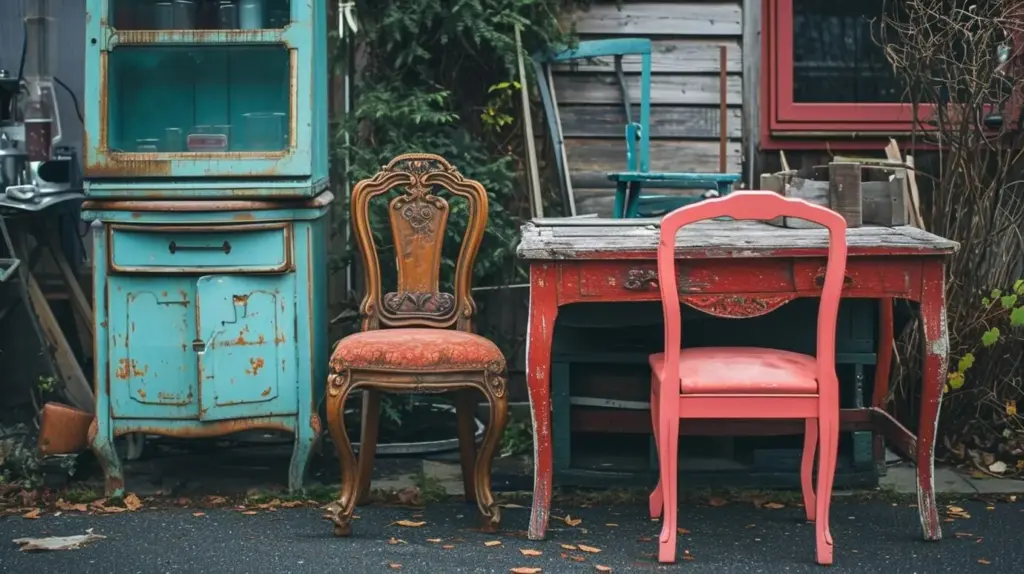
Reading the Story in the Grain
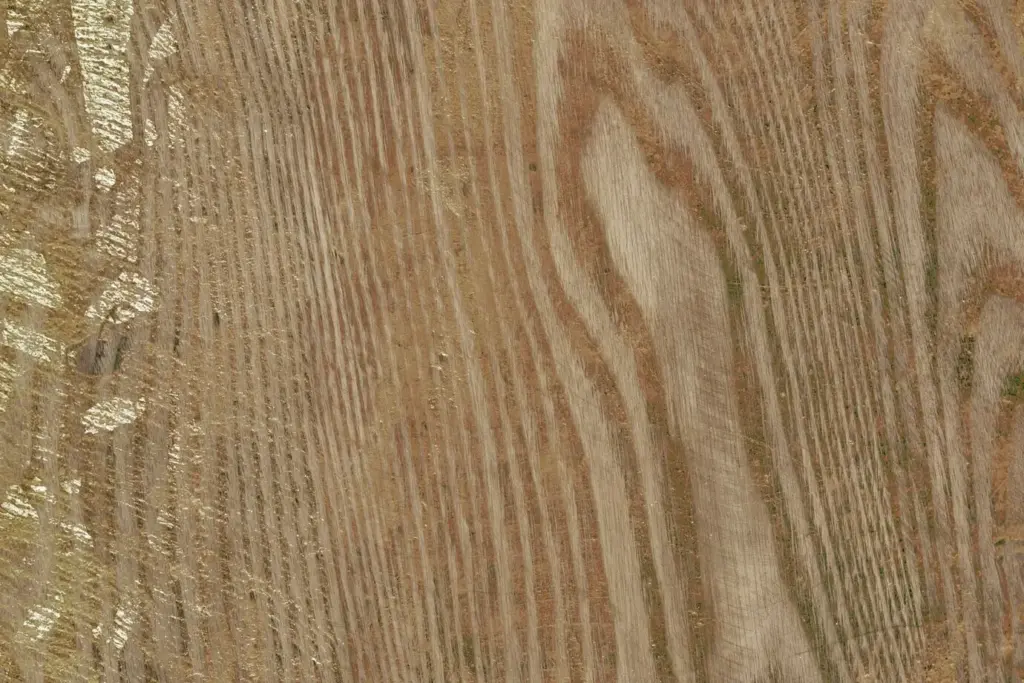
Salvaged oak, walnut, teak, or pine each expand, contract, and accept finishes differently. Recognize veneer seams, quarter-sawn lines, and earlier repairs that influence cleaning, waxing, and humidity targets. By honoring the existing patina and structural logic, you’ll choose gentler methods, avoid aggressive sanding, and support longevity while celebrating the narrative etched across knots, pores, patches, and carefully mended joints.
Metal That Remembers
Salvaged oak, walnut, teak, or pine each expand, contract, and accept finishes differently. Recognize veneer seams, quarter-sawn lines, and earlier repairs that influence cleaning, waxing, and humidity targets. By honoring the existing patina and structural logic, you’ll choose gentler methods, avoid aggressive sanding, and support longevity while celebrating the narrative etched across knots, pores, patches, and carefully mended joints.
Textiles with a Past
Salvaged oak, walnut, teak, or pine each expand, contract, and accept finishes differently. Recognize veneer seams, quarter-sawn lines, and earlier repairs that influence cleaning, waxing, and humidity targets. By honoring the existing patina and structural logic, you’ll choose gentler methods, avoid aggressive sanding, and support longevity while celebrating the narrative etched across knots, pores, patches, and carefully mended joints.
Routine Care That Prevents Damage
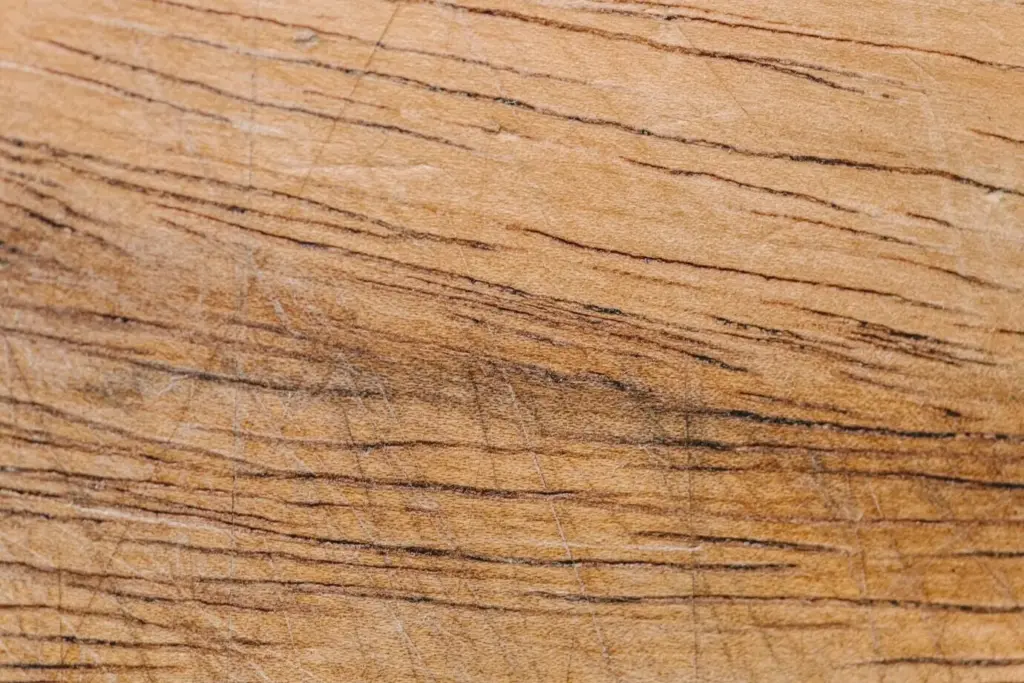
Weekly Rituals that Actually Work
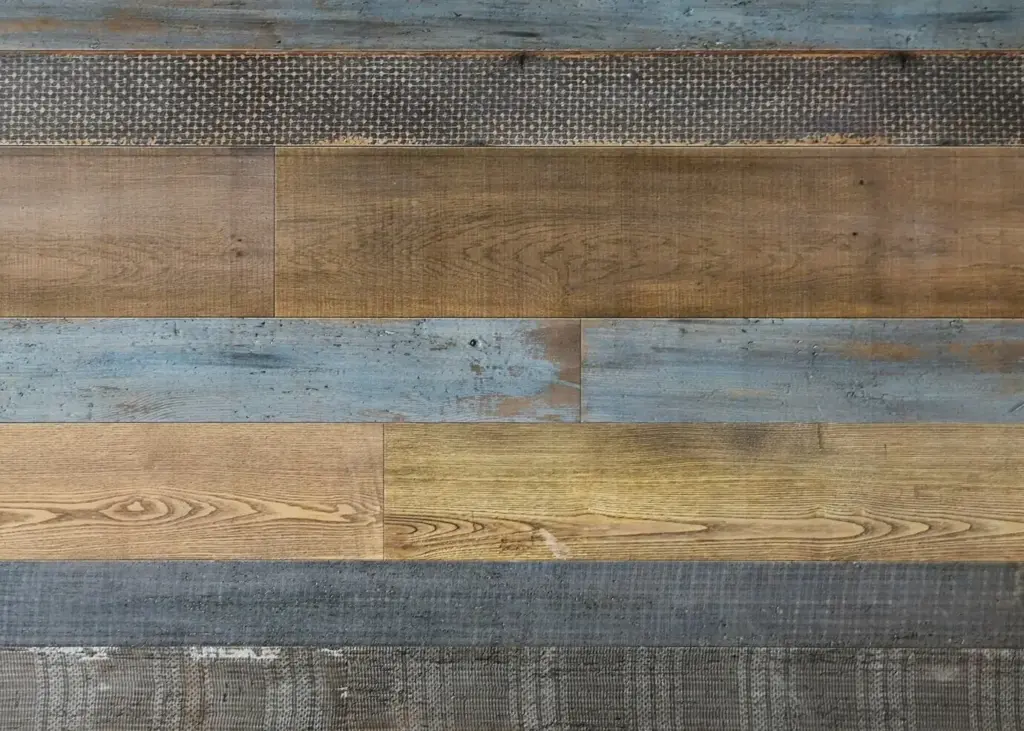
Monthly Checks without Overcleaning
Seasonal Deep Care with Gentle Hands
Humidity as a Silent Conservator
Defending Against Sun and Heat
Safe Traffic Flow and Anchoring
Repair, Stabilization, and Reversibility
Cleaning Agents and Protective Layers
Provenance, Sustainability, and Community Care
All Rights Reserved.