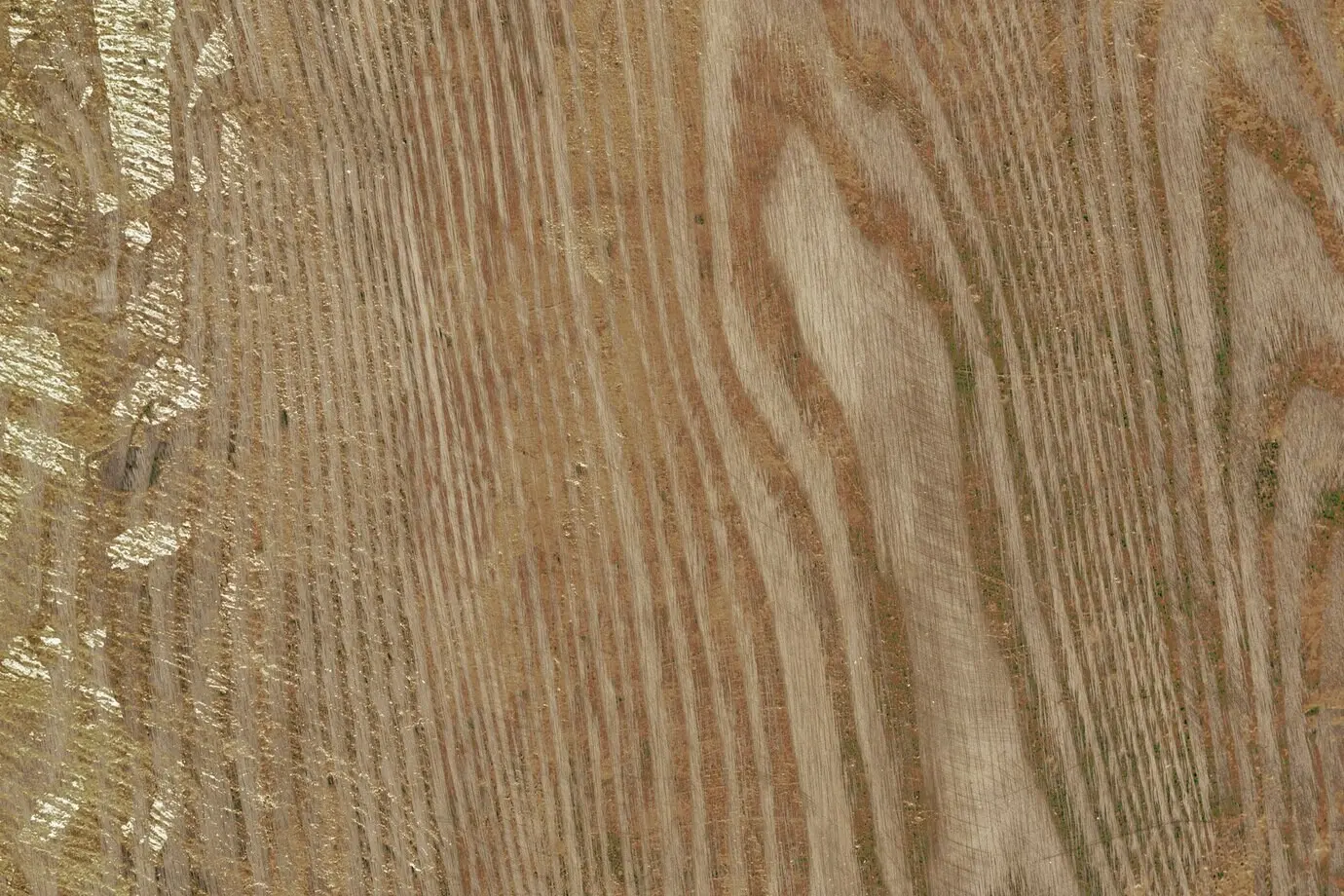
Stories You Can Touch: Reclaimed Luxury with Verified Origins
What Provenance Means for Elevated Interiors

Tracing Origins with Integrity
Value Beyond Patina
When History Meets Performance
Finding and Vetting Reclaimed Sources
Due Diligence You Can Depend On
Create a checklist that covers source verification, chain-of-custody steps, species or stone identification, contamination checks, and export compliance. Speak with two independent references, request sample offcuts, and test finishes for adhesion. Align on grading standards, surface treatments, and milling tolerances before purchase. Document everything digitally for easy team access. This rigor shields budgets, avoids rework, and ensures your reclaimed selections meet expectations, not wishful thinking, saving time while bolstering collaboration between designers, builders, clients, and conservation-minded suppliers.
Ethical Deconstruction Partnerships
Distinguish careful deconstruction from demolition. Ethical crews catalog, label, and protect materials during removal, preserving length, profile, and historically significant details. Ask about worker safety protocols, community impact, and landfill diversion rates. Encourage fair pricing for labor-intensive practices that honor craft and minimize waste. When your team supports meticulous takedowns, you gain superior yields, cleaner surfaces, and a trustworthy origin story rooted in respect, transparency, and tangible benefits to neighborhoods where buildings once stood tall, purposeful, and proud.
Auction Strategies and Site Visits
Auctions can unlock rare lots, but preparation is everything. Review catalogs for precise descriptions, then inspect in person with moisture meters, UV flashlights, and calipers. Ask for salvage dates, storage conditions, and any consolidation treatments applied. Set a firm ceiling bid, including transport and restoration contingencies. If multiple lots exist, prioritize continuity of dimensions and tone to reduce waste. Photograph tags and create quick sketches. Winning becomes far more rewarding when the material suits your design vision without costly surprises.
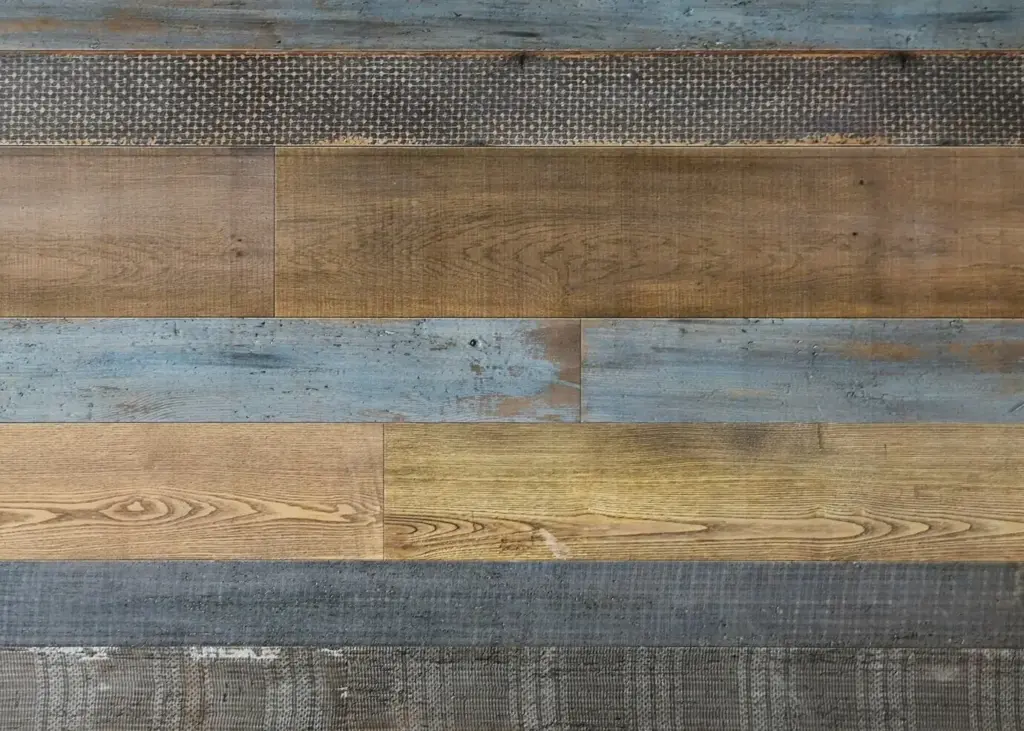
Heritage Timbers, Reimagined
Old-growth oak, chestnut, and Douglas fir reward patience. Expect irregular widths, nail holes, and occasional checks. Mill with sharp carbide blades, kiln-condition carefully, and specify end-matching to stabilize long runs. Low-sheen oil-wax systems preserve depth without plastic sheen. For stairs or kitchens, integrate hidden steel stringers or substrate panels. The result feels established yet fresh, delivering warmth, strength, and an unmistakable sense of place that resonates with clients seeking permanence, craft, and refined everyday comfort.
Stone with Memory
Reclaimed limestone, marble, and granite carry footprints of history. Map existing wear patterns to zones of use, turning softened edges into assets. Consider honed finishes, breathable sealers, and non-slip treatments for hospitality compliance. Back-butter large-format pieces, reinforce stair nosings, and plan for subtle tonal variation. Where fragments remain, craft mosaics or inlays that celebrate continuity. The resulting surfaces withstand decades of service while inviting touch, conversation, and quiet reflection in foyers, galleries, and luminous spa-like bathrooms.
Industrial Metals and Quiet Glamour
Bronze, brass, and ship steel transition beautifully into upscale environments when stabilized. Neutralize active corrosion selectively to preserve character, then seal with microcrystalline wax or conversion coatings. For handrails and bars, test tactile comfort and temperature sensitivity. Combine with stone saddles or timber accents to balance sheen and warmth. Lighting should graze, not blast, revealing subtle hammering, rivets, and smithing marks. These details lend gravity without ostentation, communicating authenticity through craftsmanship, longevity, and gentle, confident material dialogue.
Chain of Custody and Client Trust
Documentation that Stands Up
Assemble a documentation suite: bills of salvage, deconstruction permits, material passports, before-and-after photos, and test reports. Store in a shared cloud folder with change logs. Include finish schedules, environmental compliance notes, and transport chain details. This readiness makes approvals smoother, reduces legal risk, and enables marketing teams to tell accurate, compelling stories, ensuring that provenance remains transparent and durable across personnel changes, future renovations, and evolving standards of disclosure in conscientious high-end development.
Digital Passports and Smart Tags
Embed NFC or QR tags discreetly into millwork backs, crate labels, or under stair treads. Link to provenance records, maintenance guides, and finish data, updated as conditions evolve. Trades can scan on site, avoiding guesswork and miscommunication. Clients appreciate the elegance of invisible infrastructure that protects investment and heritage. This approach future-proofs your project, enables facility teams, and supports circularity, making eventual reuse or resale more intelligent, ethical, and straightforward when spaces adapt to new needs.

Restoration Without Erasure
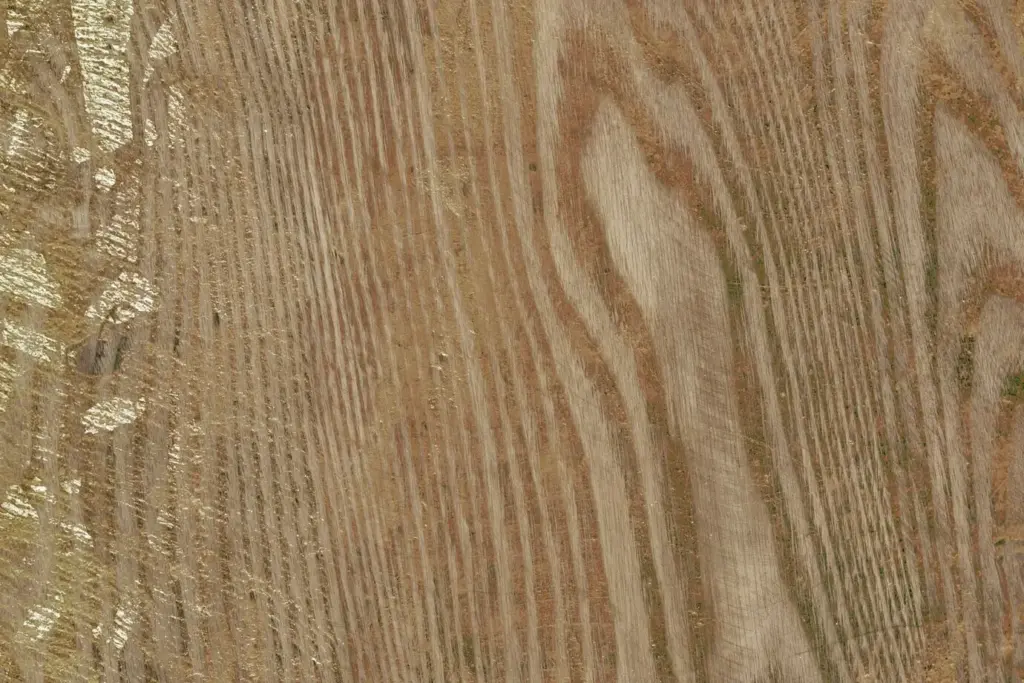
Field Notes: Projects That Changed Minds
Railway Oak in a Sky-High Library
Salvaged sleepers from a decommissioned mountain line became floor planks and shelving in a penthouse library. After denailing and milling, we preserved bolt scars as quiet punctuation. Moisture was stabilized slowly, and a smoked hardwax oil unified tone without masking age. Under warm grazing light, the room reads scholarly and intimate. The client hosts readings there now, crediting the wood’s history with a hush that encourages conversation and care.
Harbor Stone, Recut for a Boutique Lobby
Blocks recovered from a retired breakwater arrived salt-streaked and rough. We selected faces with delicate shell impressions, honed selectively, and stitched fractures with stainless dowels. Subtle anti-slip treatments met hospitality standards while retaining tidal memory. Paired with linen, bronze, and soft greenery, the lobby became a calm harbor amid city bustle. Guests ask, unprompted, about the stone’s past, turning check-in into a moment of shared wonder and local pride.
Ship Steel into a Floating Stair
Plates from a cargo ship were descaled just enough to keep heat-blue halos and rivet ghosts. Engineers modeled deflection, then we laminated treads to hidden stringers, balancing grace with strength. Beeswax and microcrystalline layers left a touchable finish that resists fingerprints. Each step rings with a quiet timbre, reminding visitors of distance crossed and cargo carried. The owners say the stair feels like a compass, orienting guests to narrative, material truth, and home.

All Rights Reserved.